Ultimate Guide to Camping Equipment You Need

Camping is one of the most rewarding outdoor activities, allowing you to connect with nature, unwind, and create lasting memories. However, the success of your camping trip largely depends on the equipment you bring along. In this ultimate guide, we will explore the essential camping gear you need to ensure a comfortable and enjoyable experience in the great outdoors.

Understanding Your Camping Needs
Before diving into the specifics of camping equipment, it’s crucial to assess your camping needs. Consider the following factors:
Type of Camping: Are you going for a car camping trip, backpacking, or a more rugged wilderness adventure? Each type requires different gear.
Duration: How long will you be camping? A weekend trip will require less gear than a week-long expedition.
Location: The climate and terrain of your camping destination will influence your equipment choices. For example, camping in a wet environment requires waterproof gear.
Essential Camping Gear
Shelter
Your shelter is your home away from home, so choosing the right one is vital. Here are the key options:
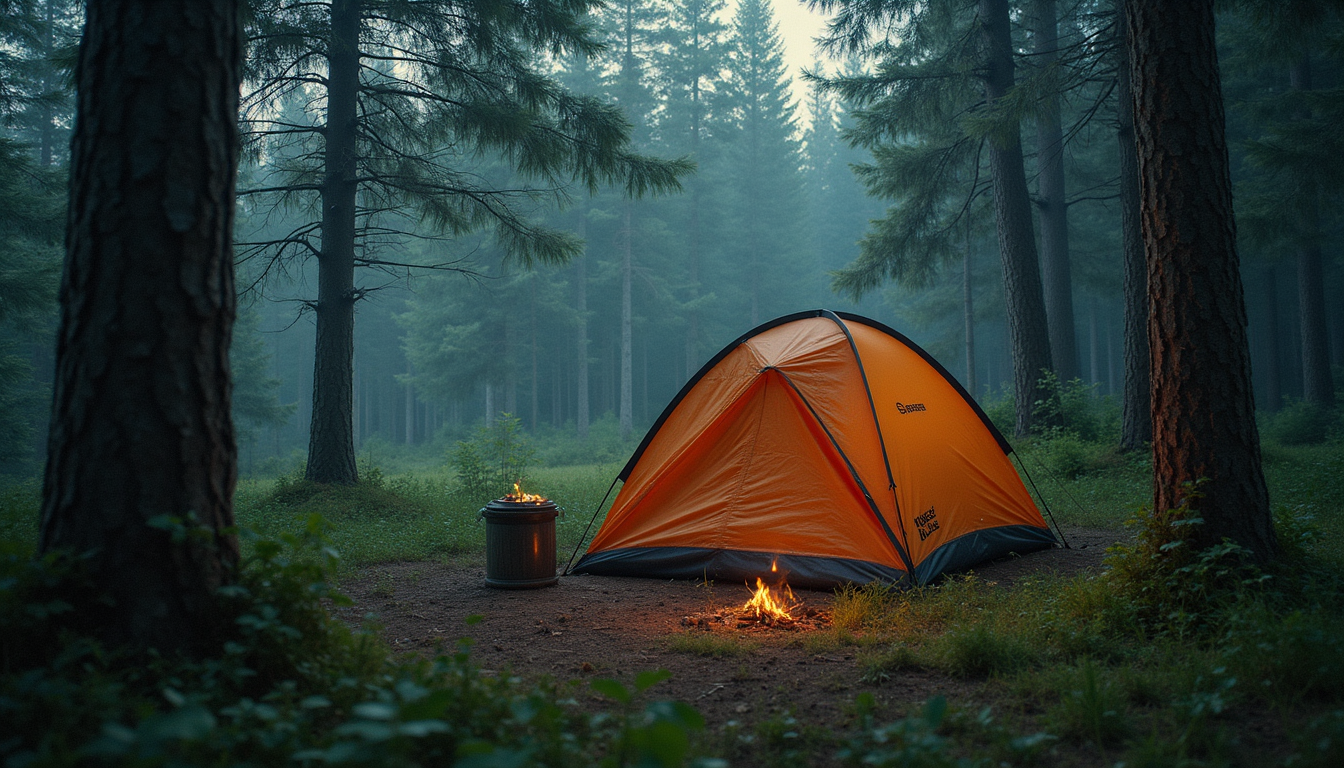
Tents: Look for a tent that suits your group size and weather conditions. Three-season tents are versatile for most conditions, while four-season tents are designed for harsher climates.
Tarps: A tarp can provide extra protection from rain or sun and can be used as a ground cover.
Sleeping Bags: Choose a sleeping bag rated for the temperatures you expect. Mummy bags are great for warmth, while rectangular bags offer more room.
Sleeping Pads: These provide insulation and cushioning from the ground, enhancing your comfort while sleeping.
Cooking Equipment
Cooking in the wild can be a delightful experience if you have the right tools. Consider these essentials:
Portable Stove: A compact camping stove is essential for cooking meals. Look for models that are easy to set up and use.
Cookware: Lightweight pots and pans made from materials like aluminum or titanium are ideal for camping. Don’t forget utensils!
Cooler: If you plan to bring perishable food, a good cooler will keep your items fresh. Look for one with excellent insulation.
Food Storage: Use airtight containers or resealable bags to keep food safe from wildlife.
Clothing and Footwear
Dressing appropriately for your camping trip is crucial for comfort and safety. Here’s what to consider:
Layering: Wear layers that can be added or removed as temperatures change. Start with moisture-wicking base layers, add insulating layers, and finish with a waterproof outer layer.
Footwear: Invest in sturdy hiking boots that provide good ankle support and traction. Don’t forget to bring extra socks!
Accessories: Hats, gloves, and scarves can help protect you from the elements.
Navigation and Safety Gear
Staying safe and oriented in the wilderness is paramount. Equip yourself with the following:
Map and Compass: Even if you have a GPS device, a physical map and compass are reliable backups.
First Aid Kit: A well-stocked first aid kit is essential for treating minor injuries. Include items like band-aids, antiseptic wipes, and pain relievers.
Multi-tool: A multi-tool can serve various purposes, from food preparation to gear repairs.
Flashlight or Headlamp: A reliable light source is crucial for navigating at night. Bring extra batteries as well.
Personal Items
Don’t forget the personal items that will enhance your camping experience:
Toiletries: Bring biodegradable soap, toothbrush, toothpaste, and toilet paper. Consider a small shovel for digging a cat hole if there are no facilities.
Insect Repellent: Protect yourself from bugs with a good insect repellent, especially in warmer months.
Sunscreen: Even on cloudy days, UV rays can harm your skin. Apply sunscreen regularly.
Optional Gear for Enhanced Comfort
While the essentials will get you through your camping trip, consider these optional items for added comfort:
Camping Chairs: Lightweight and portable chairs can make sitting around the campfire much more enjoyable.
Hammocks: Perfect for relaxing during the day, hammocks are easy to set up and pack away.
Portable Power Bank: If you plan to use electronic devices, a power bank can keep your gadgets charged.
Packing Your Gear
Once you have your gear sorted, it’s time to pack. Here are some tips to make the process easier:
Use a Checklist: Create a checklist of all the items you need to bring. This will help ensure you don’t forget anything.
Organize by Category: Pack similar items together. For example, keep cooking gear in one bag and clothing in another.
Weight Distribution: When packing your backpack, distribute weight evenly to maintain balance and comfort while hiking.
Setting Up Camp
Once you arrive at your campsite, setting up efficiently is key. Follow these steps:
Choose the Right Spot: Look for flat ground away from water sources and potential hazards like falling branches.
Set Up Your Tent: Follow the manufacturer’s instructions to pitch your tent securely.
Organize Your Gear: Keep frequently used items accessible and store food away from your sleeping area to deter wildlife.
Conclusion
Camping is an incredible way to escape the hustle and bustle of everyday life and immerse yourself in nature. By equipping yourself with the right gear, you can ensure a comfortable and enjoyable experience. Remember to assess your needs, pack wisely, and set up camp efficiently. With the right preparation, your next camping adventure will be one to remember. So gather your gear, hit the trails, and enjoy the great outdoors!
Comments